Choosing the Best Fence Materials for PNW's Wet Climate
Picking the best fence material for Kitsap County's wet climate is one of the most important decisions a homeowner can make before a single post goes in the ground. This guide covers the four most common materials used in residential fencing across the Kitsap Peninsula: wood, vinyl, composite, and chain link. For each one, you will see how it holds up against the region's persistent rain, damp soil, and moisture-heavy winters.
Why Kitsap County's Climate Is Hard on Fences
Kitsap County averages 44 inches of rain per year, well above the national average. Westerly ocean air and the shielding effects of the Cascades produce a mild, moist climate year-round. That mildness is part of the problem. Fungi need moisture, moderate temperatures, and oxygen to thrive, and a damp fence board supplies all three through a Pacific Northwest winter. The result is rot that softens wood from the inside long before any damage shows on the surface.
Homeowners in Silverdale, Bremerton, Port Orchard, and communities across the Kitsap Peninsula should factor these conditions into every residential fencing decision. The right material can mean the difference between a fence that lasts a decade and one that lasts three.
Wood Fencing: Classic Appeal With Real Maintenance Demands
Wood remains popular for residential fencing, but it requires consistent care in this climate. Heavy rainfall and persistent fog keep wood saturated for months, promoting mold, mildew, and rot even in cooler temperatures.
Western red cedar is the dominant choice in the Pacific Northwest for practical reasons: its natural oils resist rot fungi and insects better than most domestic wood species. Even so, most failures start at the post base, where wood absorbs ground moisture and rots at grade level, causing leaning sections and loose gates.
Key Wood Maintenance Steps for the Pacific Northwest
▸ Seal or stain every two to three years with a water-repellent product rated for wet climates.
▸ Keep fence boards lifted slightly above soil grade to prevent moisture from wicking upward.
▸ Use galvanized or stainless fasteners to prevent rust streaking and board loosening.
▸ Inspect post bases each fall for early signs of soft wood or decay.
Vinyl Fencing: Low Maintenance and Rot-Proof
Vinyl is one of the strongest performers in rainy climates. It does not rot, absorb moisture, warp, or crack when saturated, which means the fence stays straight and secure year after year with minimal upkeep. No sealing or staining is required.
If you want a fence that performs through wet fall and winter seasons with little annual effort, vinyl is usually the most practical fit for a Kitsap County property. The tradeoff is that vinyl may not suit properties where a natural wood appearance matters.
Composite Fencing: Wood Look With Greater Durability
Composite fencing blends recycled wood fibers with polyethylene or similar plastic polymers to mimic the look of wood with better weather resistance. The wood fibers add stiffness while the plastic matrix provides moisture resistance and dimensional stability.
In wet climates like Kitsap County, composite is a strong middle-ground option. Because it contains wood fibers, it can still absorb moisture over time, which may lead to mildew if water penetrates the matrix; periodic cleaning helps manage this risk. Otherwise, composite requires no sealing or painting even in harsh winter conditions.
Chain Link Fencing: Functional, Durable, and Budget-Conscious
Chain link holds up exceptionally well in wet conditions. It is durable, budget-friendly, and reliable for both residential and commercial properties. It provides security without blocking visibility, and it does not rot. For properties near the Puget Sound shoreline or with large perimeters to cover, chain link is a practical option. Hardware choice matters: corrosion-resistant coatings and galvanized components are worth prioritizing in Kitsap County's consistently damp environment.
How the Four Materials Compare at a Glance
| Material | Rot Risk | Maintenance Level | Best For |
|---|---|---|---|
| Cedar Wood | Moderate | High | Natural appearance, established yards |
| Vinyl | None | Very Low | Low-upkeep privacy or decorative fencing |
| Composite | Low | Low | Wood look with improved moisture resistance |
| Chain Link | None | Very Low | Large perimeters, security, budget projects |
What Is the Best Fence Material for Kitsap County's Rainy Climate?
Vinyl and composite are generally the most moisture-resistant choices for residential fencing in Kitsap County. Vinyl is completely rot-proof and requires little ongoing care. Composite offers a more natural appearance with strong durability. Cedar can also perform well when properly maintained, but requires more consistent upkeep in this climate.
How Often Does a Wood Fence Need to Be Maintained in Western Washington?
Wood fences typically need sealing or staining every two to three years. Inspect post bases and board ends annually, since those areas are most exposed to ground moisture and show rot first.
Does Chain Link Rust in the Pacific Northwest?
Standard galvanized chain link can develop surface rust over time in wet conditions. Vinyl-coated or upgraded galvanized options offer better long-term performance near waterfront properties or in shaded, damp yard areas.
Is Composite Fencing Worth the Investment in a Wet Climate?
Composite can be a sound long-term investment for homeowners who want a low-maintenance fence with a natural appearance. Periodic cleaning prevents mildew buildup, but composite typically avoids the rot and warping issues that affect untreated wood.
What Fence Posts Work Best in Wet Kitsap County Soil?
Pressure-treated posts are a common choice for wet-soil installations. Post-to-pipe systems that reduce direct soil contact can also slow rot at the base. Proper concrete footing and drainage around each post significantly extend fence life.
Ready to Choose the Right Fence for Your Kitsap County Property?
The right material depends on your property, your priorities, and how much ongoing maintenance you want to take on. Northwest Fencing has served homeowners across the Pacific Northwest since 2010. We know what the Kitsap Peninsula's wet climate demands of a well-built residential fencing installation.
Explore
residential fencing services to see what is available for your home. When you are ready to take the next step,
contact us to request a free consultation or call
253-313-5239 to speak with a member of the team.
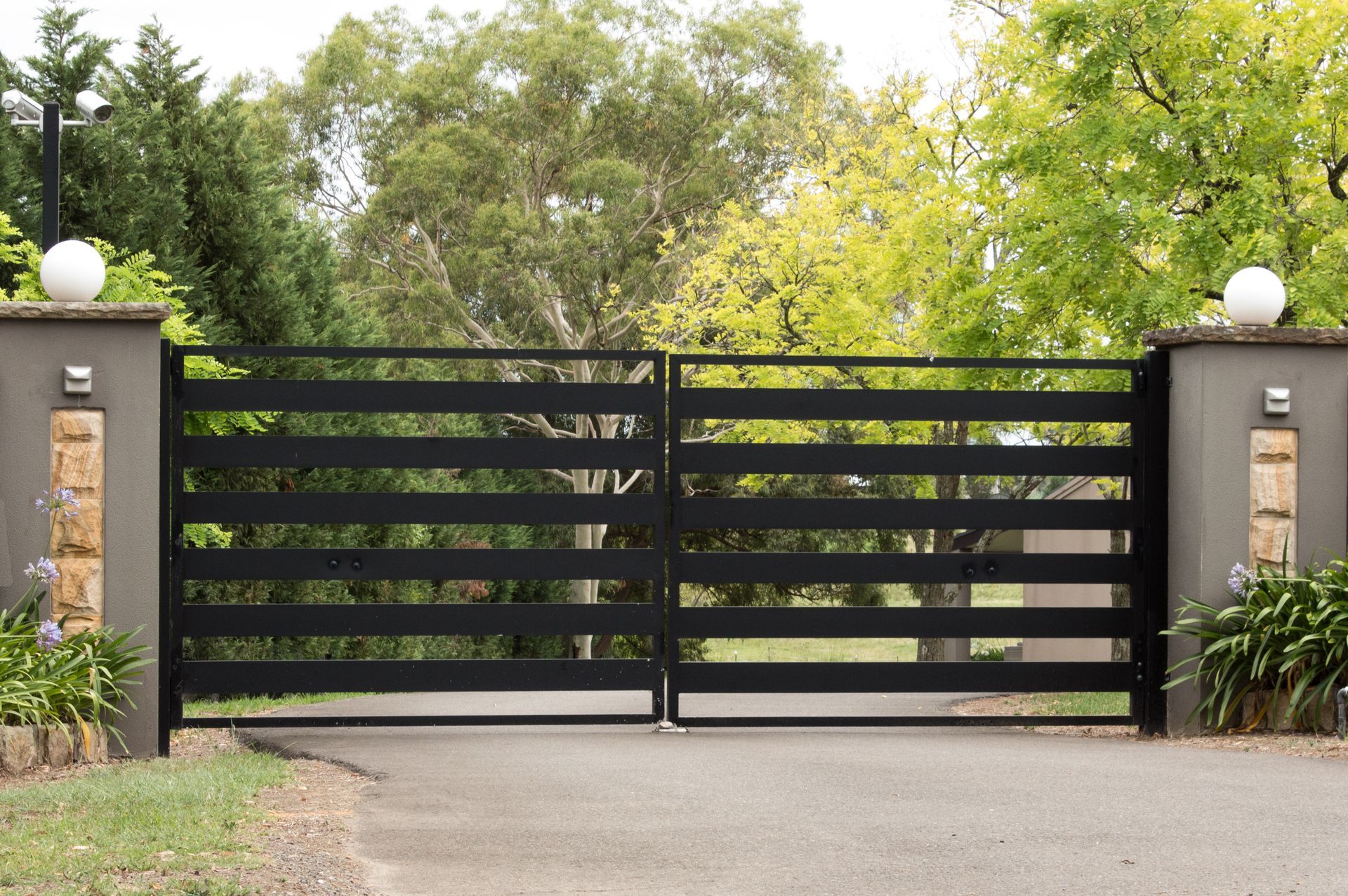
Do You Need a Permit to Install a Driveway Gate in Kitsap County, WA? A Driveway Gate Services Guide